Between 1990 and 1999, roughly 70 anime were dubbed into English in the UK, but all of that came to a crashing halt with the release of X in Summer 1999, after which industry giant Manga Entertainment would cut back dramatically on dubbing, and switch to primarily US-based studios. 25 years after the release of X, just 11 anime have been dubbed in the UK (ignoring US/UK co-produced dubs like Cyberpunk Edgrunners or The Imaginary). Let’s take a look. As always, please point out any errors or omissions in the comments.
#1: BEYBLADE
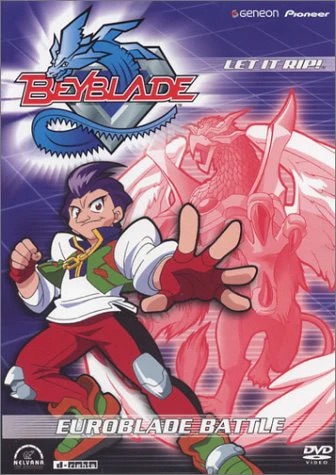
While the United Kingdom is home to more languages than just English, none would see any official anime dubs until 2003, when the Welsh-language channel S4C would commission a dub of Beyblade. Unfortunately, very little info about this historic dub has survived outside of some TV bumpers and mentions in voice actor resumes. All that’s really known is that it was dubbed at P.O.P. 1 (a division of the Welsh production company Tinopolis Cymru), and that it likely ran for 2 seasons and 102 episodes.
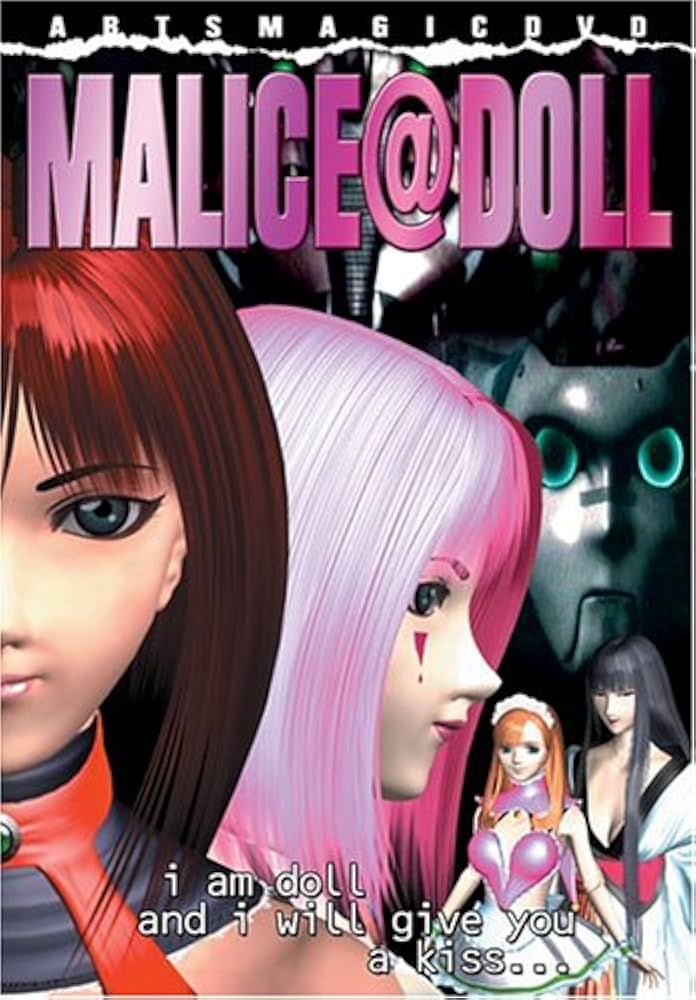
#2: MALICE@DOLL
| Language | English |
| Released | 2003 |
| Licensor | Artsmagic |
| Dubbing Studio | Unknown |
| Location | Unknown |
Some time in 2002, Artsmagic, a Welsh company specializing in Japanese Yakuza films and documentaries about trains, licensed a trio of CG-animated films from GAGA Communications. While the first of these films, A.Li.Ce, features a dub of unknown origin with no credits, the other two, Malice@Doll and Blue Remains, would receive dubs believed to have been commissioned by Artsmagic, featuring British talent.
While there is little concrete info on the dub of Malice@Doll, some guesses can be made. I reached out to Jonathan Clements, who had worked on all three titles as a producer, but was actually unaware of the existence of the dub. Based on the cast list, he believed the dub was likely done in London, back-to-back with Blue Remains, as it would be “difficult to imagine… shipping a dozen actors to Wales”. Of the 10 credited voice actors, only Laurence Bouvard had any prior experience in anime, appearing in the MangaUK dub of GoShogun: The Time Étranger.
#3: BLUE REMAINS
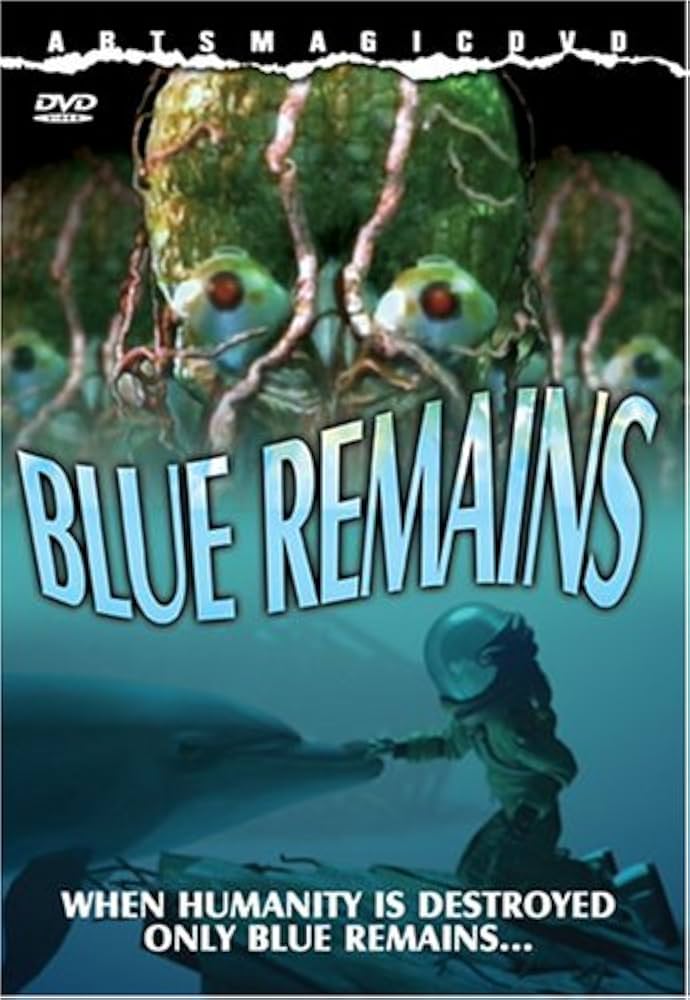
| Language | English |
| Released | 2004 |
| Licensor | Artsmagic |
| Dubbing Studio | Unknown |
| Location | Unknown |
Unlike its contemporaries A.Li.Ce or Malice@Doll, the original 2003 UK DVD release of Blue Remains from Artsmagic was oddly sub-only. However, when the film received a US-market DVD release the following year, a dub was mysteriously included, making Blue Remains likely the only UK anime dub to never actually have been released in the UK.
Featuring a nearly identical cast and crew to the dub of Malice@Doll, the dub for Blue Remains was likely recorded around the same time and in the same location, presumed to be London. It is unknown why the dub wasn’t included on the UK DVD, or why Artsmagic changed their mind for the US DVD, and like the Malice@Doll dub, will likely remain shrouded in mystery for the foreseeable future.
#4: MEDABOTS
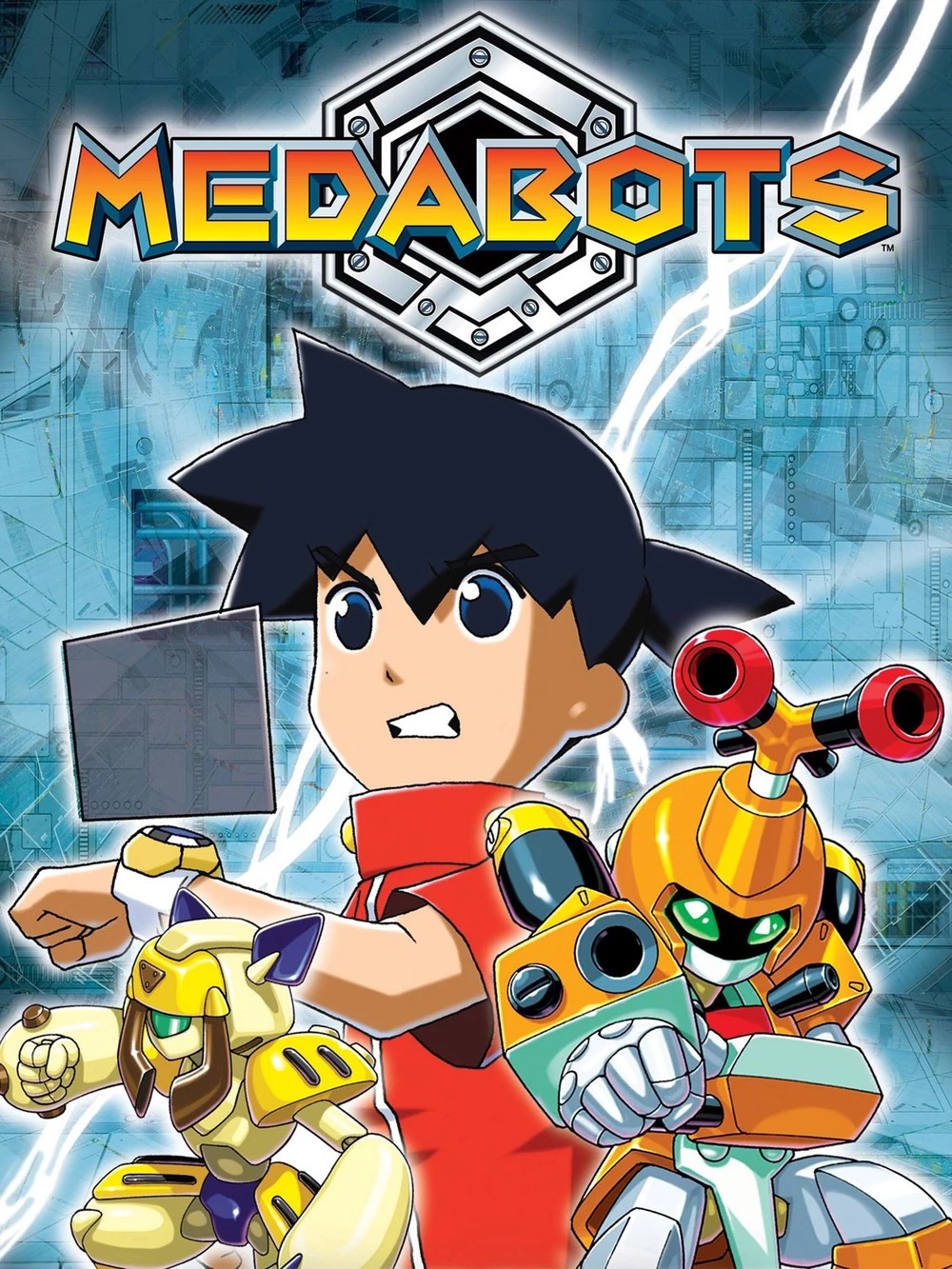
| Language | Welsh |
| Released | 2004 or 2005 |
| Licensor | S4C |
| Dubbing Studio | CTV Studios Cardiff, Atsain Cyfyngedig |
| Location | Cardiff, Wales |
S4C made history in 2003 with their dub of Bakugan, the very first Welsh-language anime dub, and they’d follow it up about a year later with the second Welsh dub, Medabots. Unfortunately, like Bakugan, very little is known about the Medabots dub, other than it was produced by CTV Studios Cardiff and Atsain Cyfyngedig, aired on S4C, and likely aired some time between 2004 and 2005. What little information is known about this dub mostly comes from the resumes of various actors involved in its production. Medabots would serve as the final anime dub to come out of CTV Studios Cardiff, who had been a mainstay in English-language anime dubbing for Manga Entertainment throughout the 90s.
#5: MILLENNIUM ACTRESS
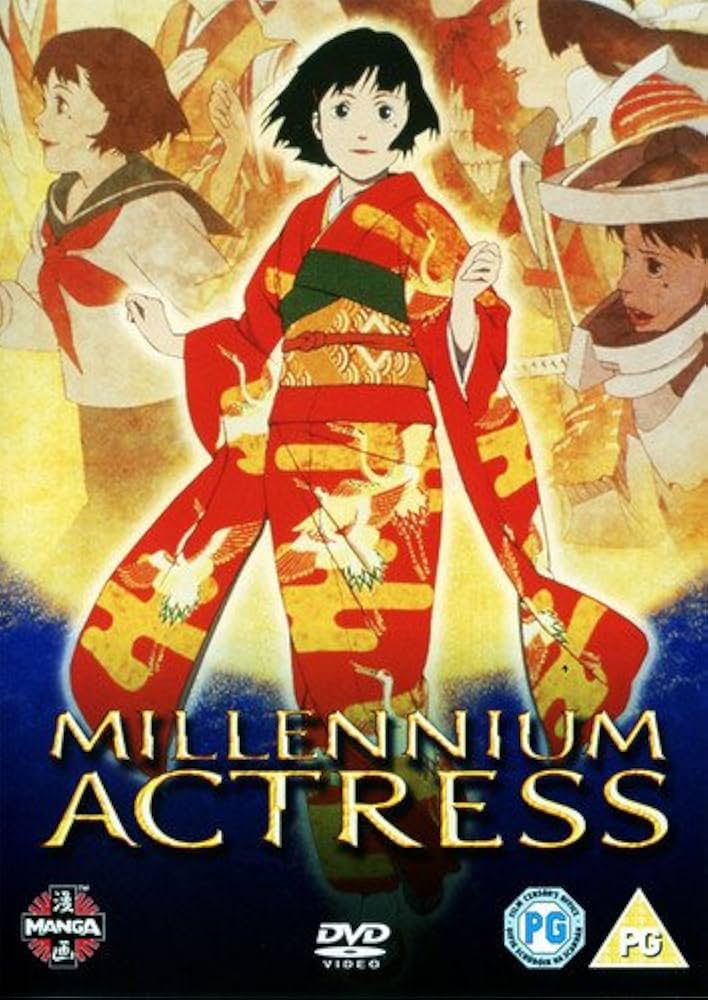
| Language | English |
| Released | 2005 |
| Licensor | Manga Entertainment |
| Dubbing Studio | Village Productions |
| Location | London, England |
An argument could be made that the UK anime dubbing industry died on Suptember 26, 2005, when MangaUK released Millennium Actress on DVD. It would mark the end of (semi-)regular anime dubbing in the UK, and another dub wouldn’t be recorded for nearly half a decade.
After an almost 5 year hiatus since X, Manga would return to UK dubbing with Millennium Actress. With Manga mainstays World Wide Sound and CTV Studios both having bowed out of the anime business, Manga turned to Village Productions, a small London-based studio whose only previous anime dubbing credits were some MondoTV series in the mid-90s.
Made under a sublicence from Dreamwork’s GoFish Pictures (who had global rights outside of Asia), the MangaUK/Village dub would only ever be released on DVD in the UK and Australia, with the US DVD remaining sub-only. In 2019, Eleven Arts would secure the US rights, and redub the film at VSI Los Angeles. This dub has been used on all future English-friendly releases, including the UK Blu-ray and UHD releases from Anime Ltd, and the original UK dub has slowly started to slip away from the public’s eye.
#6: Professor Layton and the Eternal Diva
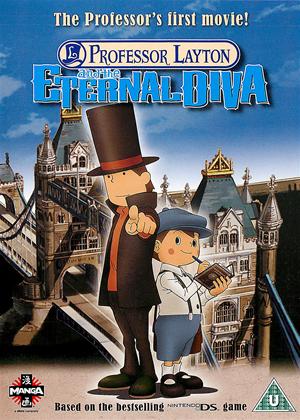
| Language | English |
| Released | 2010 |
| Licensor | Manga Entertainment |
| Dubbing Studio | SIDE UK |
| Location | London, England |
After 5 long, silent years, UK anime dubbing was back, albeit briefly, with the release of Professor Layton and the Eternal Diva from MangaUK in 2010, and they couldn’t have chosen a better title. Based on the Professor Layton video game series, the anime is set in Dover, England, and features a primarily British cast of characters. Working with dubbing studio SIDE UK, Manga got Christopher Robin Miller and Maria Darling to reprise their roles of Layton and Luke from the games, doing their natural British accents.
The topic of accents in dubbing is a complex one beyond the scope of this article, but suffice to say, Professor Layton was one of the very first anime dubs recorded anywhere to feature a primarily British-accented dub, and was likely the entire reason it was dubbed in the UK. Clearly, this idea worked, as from 2010 onward, almost every anime dubbed in the UK would be a title set in the UK, and would feature a cast using their native accents. Manga themselves would unfortunately not be a party to this dubbing renaissance, as they would record just one more UK anime dub before bowing out entirely.
#7: MUSASHI: THE DREAM OF THE LAST SAMURAI
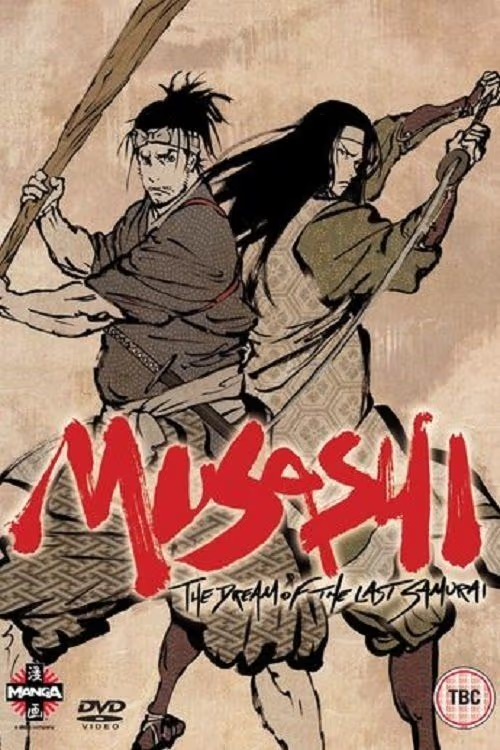
| Language | English |
| Released | 2010 or 2011 |
| Licensor | Manga Entertainment |
| Dubbing Studio | Unknown |
| Location | Unknown |
Right on the heels of Professor Layton, Manga produced their very last UK anime dub, and it was a strange one. Presented as an animated documentary, and at one point planned for The History Channel, Musashi features only one voice, that of the narrator. For this role, Manga cast Jonathan Clements, noted historian of both anime and Japan as a whole. As such, the film arguably wasn’t even dubbed, just given a new voiceover.
The DVD/Blu-ray features no English credits, and Clements is the only name known to be attached to the dub, courtesy of a 2014 interview, and the rest of the cast, studio, and dubbing location are unknown.
#8: ARRIETTY
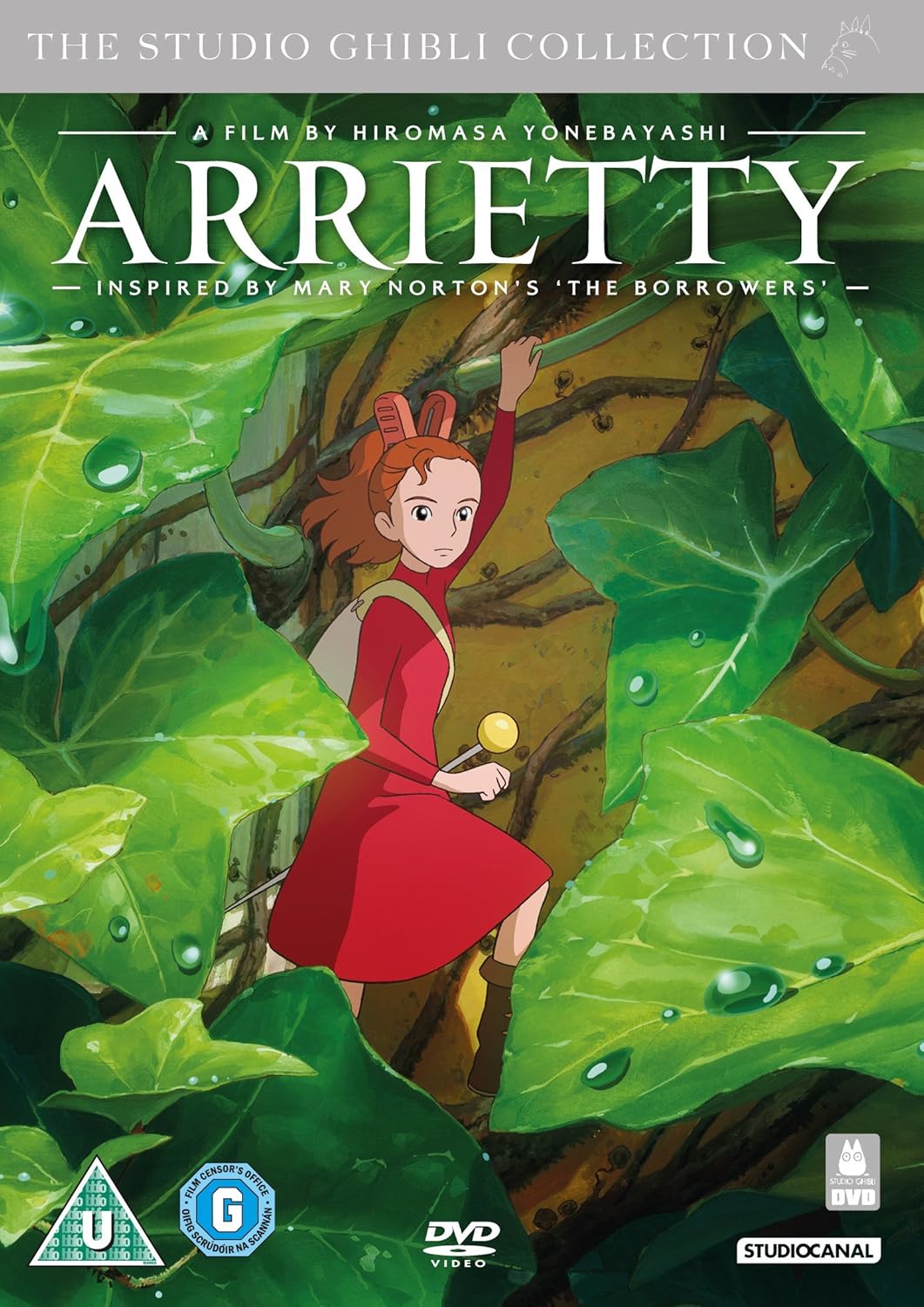
| Language | English |
| Released | 2011 |
| Licensor | Optimum Releasing (StudioCanal) |
| Dubbing Studio | Unknown |
| Location | Unknown |
Based on the 1952 English novel The Borrowers by Mary Norton, Arrietty seemed like a prime candidate for a British dub, or at least Optimum Releasing (later renamed StudioCanal UK) thought so. It’s unclear the exact circumstances surrounding its production, (or who even made it) but Optimum chose to dub the film themselves, instead of licensing the Disney-produced dub for the US market like they had done for other Ghibli titles. This lead to the somewhat unique situation of two different English dubs releasing within a year of each other, and inevitable arguments on which was the superior dub.
Both dubs would primarily feature television and stage actors from their respective countries with little to no anime dubbing experience. Notably, the UK dub would feature Tom Holland as Shō, in one of his first theatrical roles.
#9: RONJA: THE ROBBER’S DAUGHTER
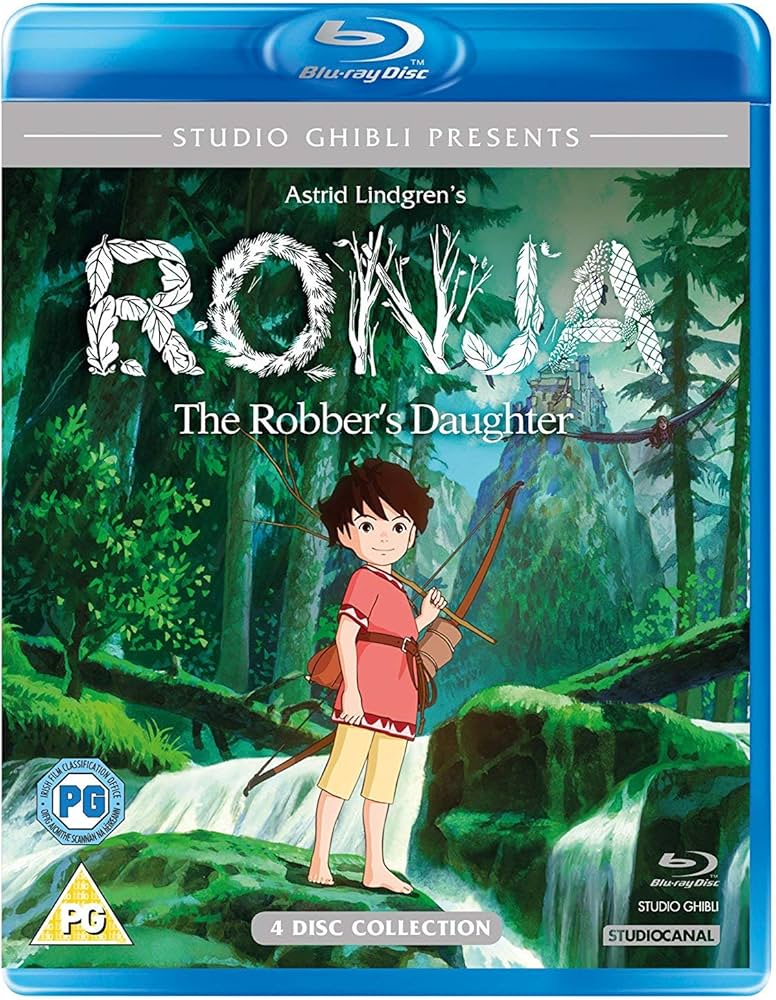
| Language | English |
| Released | 2017 |
| Licensor | Serious Lunch |
| Dubbing Studio | Tamborine Sound Studios |
| Location | London, England |
In 2015, small, UK-based company Serious Lunch (now Serious Kids) announced they’d acquired the worldwide rights to Ronja: The Robber’s Daughter. It had aired in Japan the prior year, and Serious Lunch was looking for broadcast partners. 18 months later, Amazon announced that Ronja would debut on Prime Instant Video, and it was added in January 2017, featuring a dub from Tamborine Sound Studios. There’s not much info on Tamborine, but it appears they primarily dealt in post-production prior to Ronja. Based on the resumes of a number of the cast, it’s rumored the dub was recorded back in 2015 when they were marketing it to broadcasters, but this is unconfirmed. Headlining the dub was X-Files alum Gillian Anderson as the narrator. She had previously starred in a number of Disney/GKIDS Ghilbi dubs, all of which had been recorded in California.
#10: MARY AND THE WITCH’S FLOWER
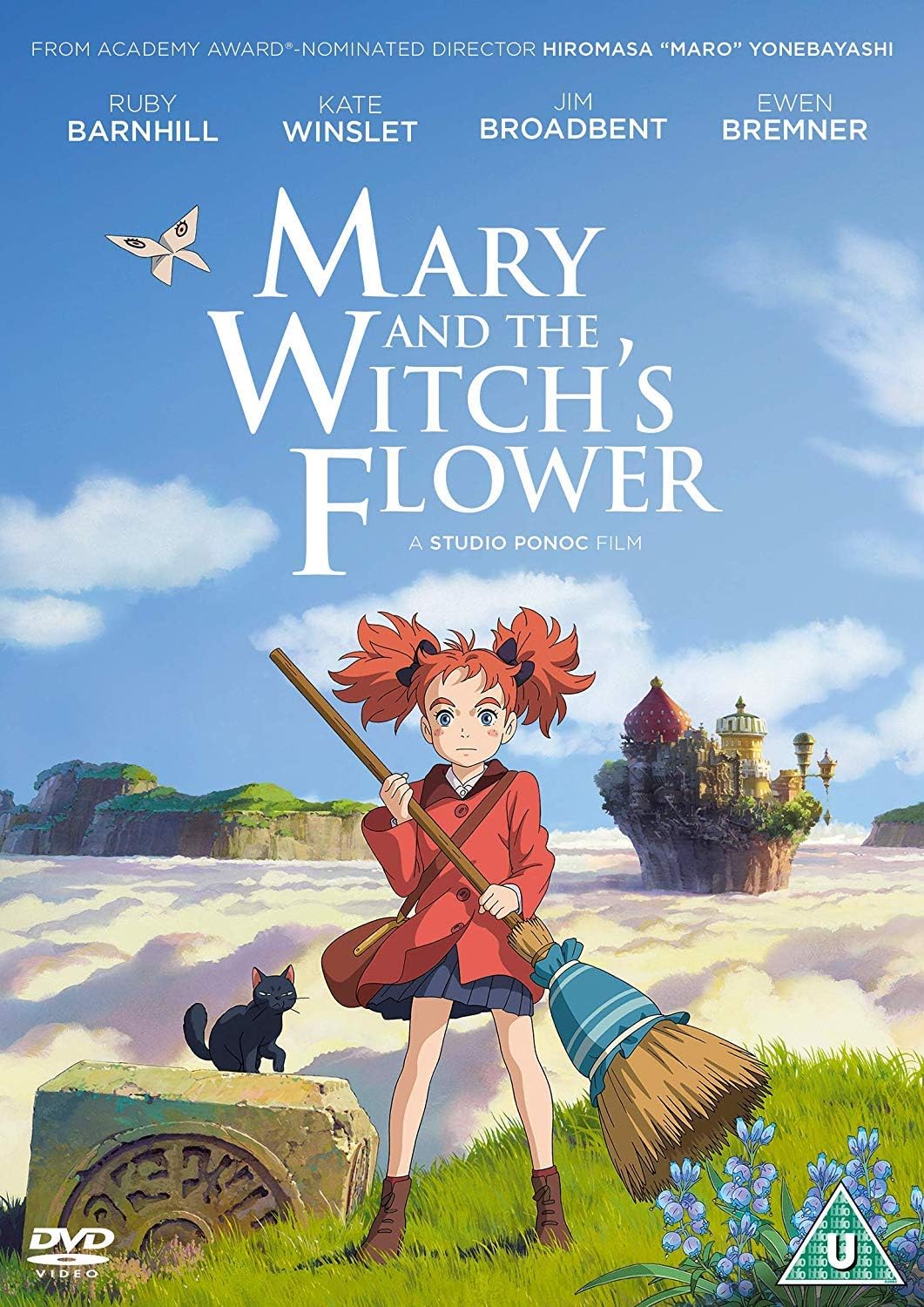
| Language | English |
| Released | 2017 |
| Licensor | Altitude Film Entertainment |
| Dubbing Studio | Tamborine Sound Studios |
| Location | London, England |
In 2011, Optimum Entertainment announced they’d acquired the rights to Arrietty, a Studio Ghibli film directed by Hiromasa Yonebayashi. In 2012, Optimum founded Will Clarke would leave to found Altitude Film Entertainment, and in 2015, Yonebayashi would leave Studio Ghibli to help found Studio Ponoc. Fittingly, Studio Ponoc’s first film, Mary and the Witch’s Flower, would be licensed by Altitude as their first (and to date, only) anime. The parallels don’t end there, as like Arrietty, Mary was also based on a work of British children’s literature, 1971’s The Little Broomstick by Mary Stewart.
Altitude would hire the dubbing studio behind Ronja: The Robber’s Daughter, Tamborine Sound Studios, to handle the dub for Mary in yet another Ghibli connection. Mary would be Tamborine’s largest and most public project, but also their last, as far as anyone can tell. Altitude would fare better, but Mary remains their one and only attempt at an anime.
#11: RONIA, NIGHEAN A’ MHÈIRLICH
| Language | Scottish Gaelic |
| Released | 2020-2021 |
| Licensor | Serious Lunch / BBC Alba |
| Dubbing Studio | Obh! Obh! Productions |
| Location | Glasglow, Scotland |
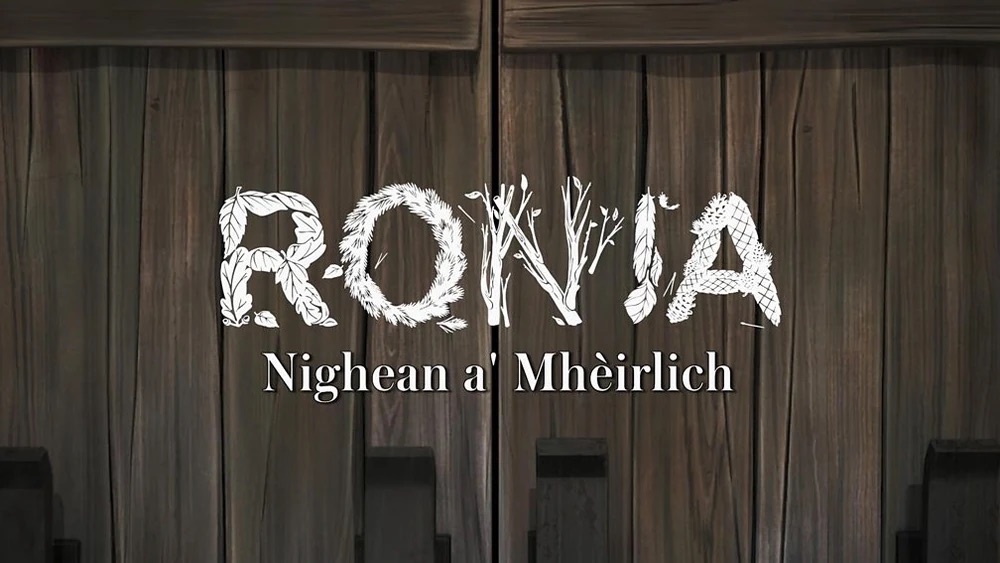
This list started with one of the first Welsh anime dubs, so it’s fitting it would end with another first. In 2022, Serious Lunch struck a deal with the BBC to add Ronja: The Robber’s Daughter to their streaming service, iPlayer. In addition to the 2017 English dub from Tamborine, also announced was a Scottish Gaelic dub, the very first for an anime. Produced by the BBC’s Gaelic-language arm, BBC Alba, and recorded at Obh! Obh! Productions in Glasglow, a studio well known for dubbing English-language cartons into Scottish Gaelic.
It is unclear how well Ronia did for BBC Alba, as to date, it is the only attempt to dub an anime into Scottsh Gaelic, and the first non-English dub to be recorded in the UK since Medabots in 2004.


Leave a Reply